

CBP Helps USDA Fight Deadly Screwworm Pest
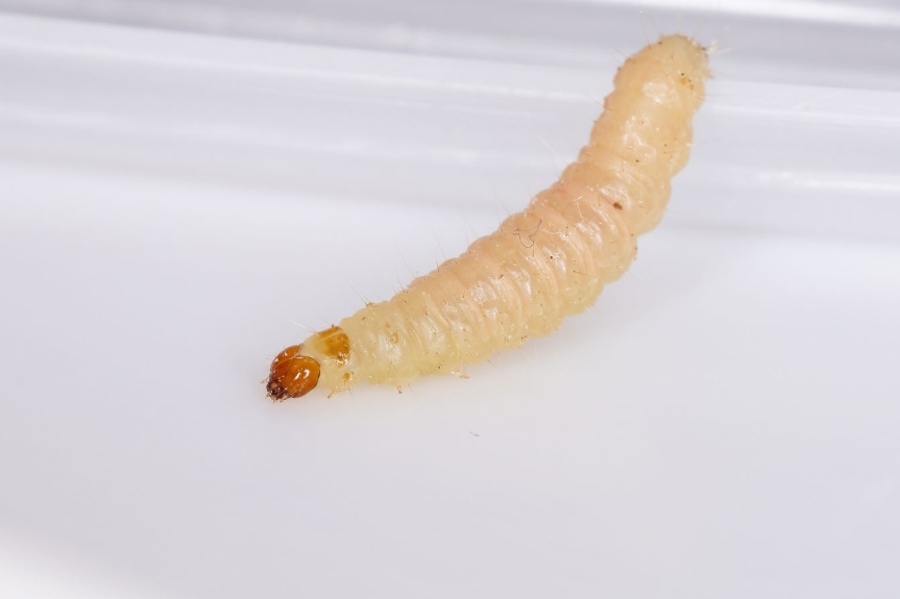
National News - U.S. Customs and Border Protection is working with the U.S. Department of Agriculture to stop the spread of a dangerous pest called the New World screwworm. Left untreated, the pest can cause severe harm to livestock, wildlife, and pets. It can also affect people and birds, though that is less common.
Deputy Executive Director Suzette Kelly of CBP's Agriculture Programs and Trade Liaison, Office of Field Operations, spoke about the effort. She said, "CBP is committed to supporting USDA and our federal, state, local, and industry partners in preventing the spread of New World screwworm. By helping facilitate the timely movement of sterile flies, training frontline personnel, and sharing critical information, CBP is helping protect U.S. agriculture, animal health, and the broader economy."
Sterile flies are a key part of the plan. As of Aug. 16, USDA has confirmed 47 cases of the pest, including 46 in Texas and one in New Mexico. Four of those cases are still active in three Texas counties.
USDA's Sterile Insect Technique program releases large numbers of sterile flies into the affected areas. The goal is to stop the pest from reproducing and spreading further.
CBP is helping in several ways. The agency trains frontline personnel, shares information, supports public awareness, and clears supplies needed for response efforts.
CBP also helps make sure foreign workers, like pilots and mechanics, follow immigration laws while they help with USDA's response.
CBP's Office of Field Operations helped bring in 96 shipments of sterile screwworm pupae and flies from Panama. The shipments arrived through Del Rio International Airport, McAllen International Airport, George Bush Intercontinental Airport, and the Port of Pharr and Hidalgo.
When sterile male flies mate with wild female flies, no offspring are produced. This helps lower the pest's population over time and slows how far it spreads.
CBP's Office of Trade Relations also held a webinar on July 26 about the screwworm threat. The webinar covered USDA and CBP efforts and gave stakeholders important information about the federal response.
Officials are asking the public, livestock owners, and industry workers to stay alert. Anyone who suspects a case of New World screwworm should report it to the proper animal health authorities.
People can also report concerns through CBP's e-Allegations program on CBP.gov.