

Supreme Court Allows Haiti, Syria TPS Terminations
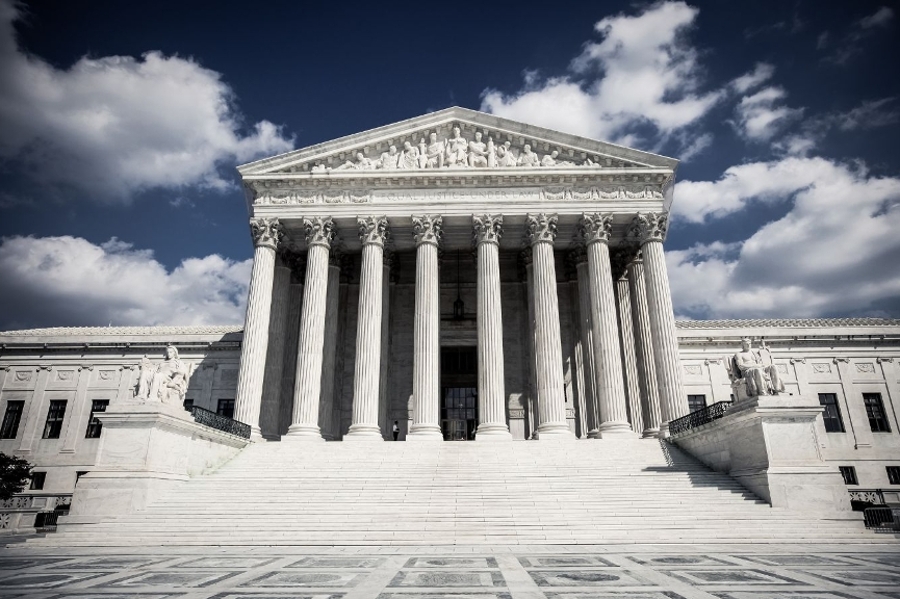
National News - The U.S. Supreme Court ruled Thursday that the federal government can move forward with ending Temporary Protected Status for thousands of Haitian and Syrian nationals living in the country. The 6-3 decision reverses lower court orders that had paused the terminations while lawsuits played out.
The case combined two lawsuits. One involved Syrian TPS holders in New York. The other involved Haitian TPS holders in Washington, D.C.
Justice Samuel Alito wrote the majority opinion. He said the law creating the TPS program clearly blocks courts from reviewing the Secretary of Homeland Security's decisions on designating or ending TPS for a country. That includes claims that the Secretary skipped required steps, like consulting other government agencies about conditions in a country.
The Haiti case also included a constitutional claim. Plaintiffs argued that race played a role in ending Haiti's TPS status, pointing to past comments from President Trump and former Secretary Kristi Noem. The Court found this claim unlikely to succeed, saying the administration's broader opposition to TPS offers a race-neutral explanation, since it has ended every TPS designation that came up for renewal during this term.
Justice Clarence Thomas wrote separately. He argued the equal protection claim fails for an additional reason: he says the Constitution's protections against federal government discrimination don't extend the way the majority and lower courts assumed.
Justice Elena Kagan dissented, joined by Justices Sonia Sotomayor and Ketanji Brown Jackson. Kagan argued the law does allow courts to check whether the Secretary actually followed the required consultation process. She also argued the President's past statements about Haitians provide clear evidence that race factored into the decision.
Haiti has held TPS status since the 2010 earthquake. Syria has held it since 2012, tied to the civil war under Bashar al-Assad's government. Both countries' designations have been extended multiple times since.
The ruling means TPS holders from both countries lose their legal status and work authorization while their underlying lawsuits continue in lower courts. Kagan noted in her dissent that many TPS holders have lived and worked in the U.S. for over a decade and now face return to countries the State Department still lists as dangerous for travel.
The cases will go back to the lower courts for further proceedings.
Source: Supreme Court Decision
_1754575213489_1.jpg)