

Supreme Court Backs Fed Governor in Trump Removal Fight
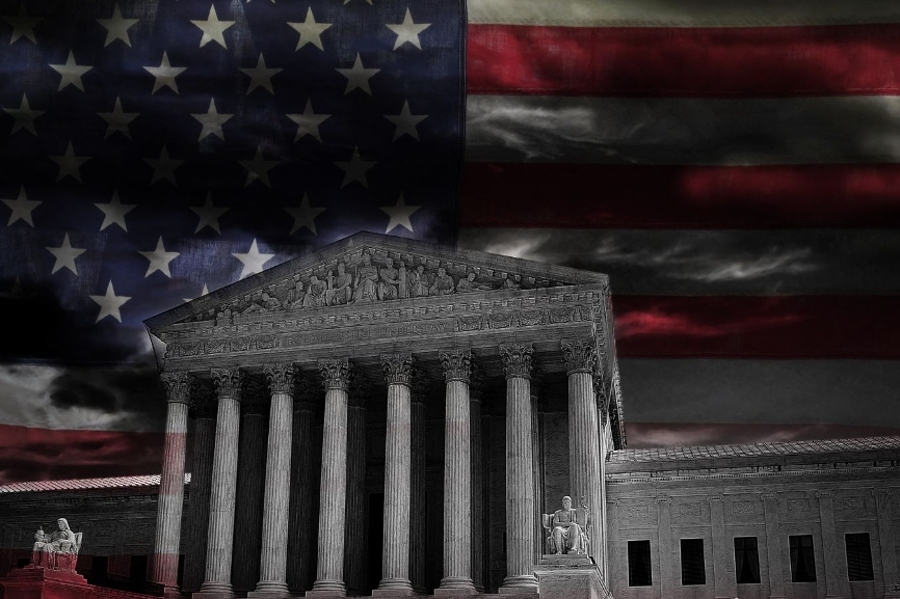
National News - The U.S. Supreme Court just delivered a major ruling on presidential power, and it centers on the nation's central bank. On June 29, the Court denied the Trump administration's request to remove Federal Reserve Governor Lisa Cook from her position, at least for now.
This case has been closely watched because it touches on something bigger than one person's job. It's about whether the President can fire a Federal Reserve official without following specific legal steps first.
Here's the background. President Trump attempted to remove Cook in August 2025, citing allegations of mortgage fraud tied to property purchases she made years before joining the Fed. Cook sued, arguing she was never given proper notice or a chance to respond before being fired.
A lower court agreed and blocked the removal while the case played out. The Trump administration asked the Supreme Court to lift that block. The Court said no.
Chief Justice Roberts wrote the majority opinion, joined by four other justices. The ruling didn't decide whether mortgage fraud could eventually count as valid "cause" for removal. Instead, the Court focused narrowly on process, ruling that "notice and hearing are essential" before an officer's removal "where the term of office is for a fixed period."
In plain terms, the President can't just fire a Fed Governor and explain himself later. Cook has to be told what she's accused of and given a real chance to respond first.
The decision wasn't unanimous. Justice Thomas dissented sharply, arguing the President should be able to remove executive officers at will under Article II of the Constitution. Justices Alito and Barrett also dissented, though for different reasons centered on how broadly the Court chose to rule.
Justice Kavanaugh, who joined the majority, emphasized that the Fed's independence matters for keeping the economy stable. He warned that uncertainty about the Fed's status could itself rattle markets.
So what happens now? Cook stays on the Board of Governors while the underlying lawsuit continues. The President could try to remove her again, but only if he follows the proper procedure this time.
This case isn't just legal trivia. It's a real test of how much independence the Federal Reserve has from the White House, something that affects interest rates, inflation, and the broader economy that touches every household on the Eastern Shore.