

Supreme Court Backs Girls' Sports Bans, MD Bill Looms
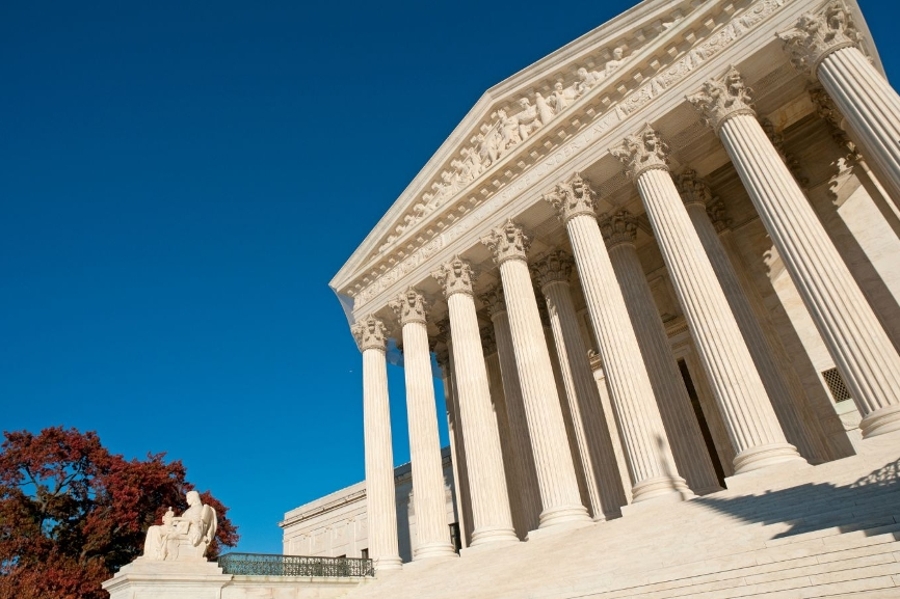
National News - Maryland lawmakers have tried for years to pass a law restricting girls' school sports to biological females. None of those bills have passed. But a U.S. Supreme Court ruling handed down Tuesday could change the conversation here at home.
The Court ruled 6-3 that states can lawfully limit girls' and women's school sports teams to biological females. The decision applies to laws in West Virginia and Idaho, but it carries weight nationwide, including in states like Maryland that currently take a different approach.
Right now, Maryland does things differently than West Virginia. Since 2012, the Maryland Public Secondary Schools Athletic Association has allowed transgender students to play on teams that match their gender identity, with eligibility reviewed case by case. Maryland lawmakers have introduced bills similar to West Virginia's law at least twice in recent years, including this year's Senate Bill 50, but none have become law.
The case before the Supreme Court centered on a West Virginia transgender athlete known as B.P.J., who sued after being barred from her middle school's girls' track and cross-country teams. Justice Brett Kavanaugh, writing for the majority, said schools may determine sports eligibility based on biological sex without violating Title IX or the Constitution's Equal Protection Clause.
The Court pointed to safety and competitive fairness as the deciding factors. Kavanaugh wrote that allowing biological males to compete on girls' teams "can put female athletes at a serious disadvantage" because "sports are generally zero sum."
Justice Sonia Sotomayor disagreed, writing in dissent that the case should have gone back to a lower court for more fact-finding before being decided. She argued the ruling lets states exclude a "discrete, easily identifiable group" without proving they actually pose a safety or fairness problem.
The Supreme Court's ruling giving states clear legal cover to pass laws like West Virginia's, expect another push from Annapolis lawmakers next session.
2.jpg)