

Supreme Court Hands Trump Power to Fire FTC Officials
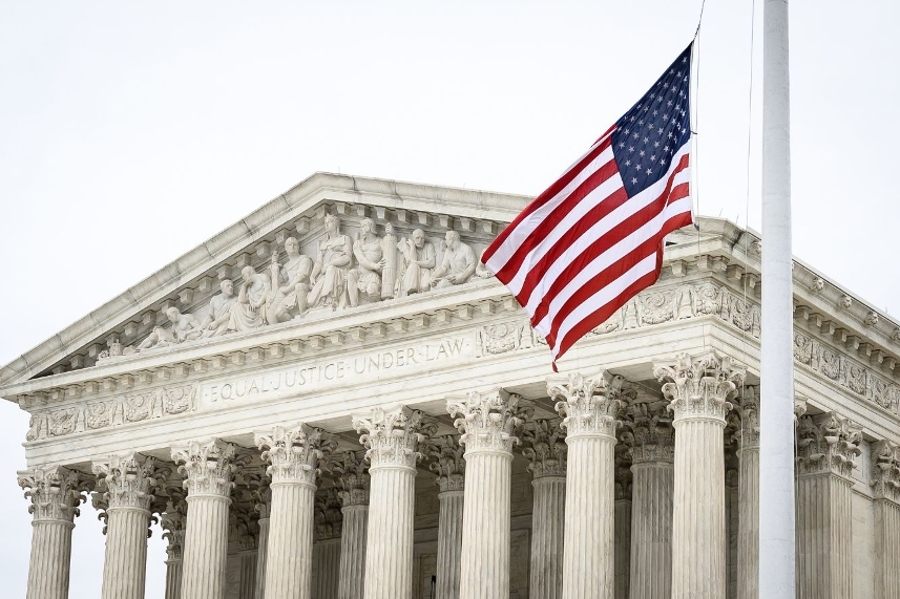
National News - The U.S. Supreme Court just reshaped how much control a president has over independent federal agencies. On June 29, the Court ruled 6-3 that President Trump can remove members of the Federal Trade Commission without the "good cause" Congress once required.
The case is called Trump v. Slaughter. It centers on Rebecca Slaughter, a Democratic FTC commissioner Trump fired early in his second term.
Federal law said FTC commissioners could only be removed for "inefficiency, neglect of duty, or malfeasance in office." Trump didn't cite any of those reasons. He told Slaughter her "continued service on the FTC [was] inconsistent with [his] Administration's priorities."
Slaughter sued, arguing the firing was illegal. A lower court agreed with her and ordered her reinstated. The Supreme Court disagreed.
Chief Justice John Roberts wrote the majority opinion. He was joined by Justices Alito, Gorsuch, Kavanaugh, Barrett, and partly by Thomas.
The ruling leans on the Constitution's separation of powers. Roberts wrote that officers who exercise executive power "must be removable by the President" so they stay accountable to him and, in turn, to voters.
This decision overturns a 90-year-old precedent called Humphrey's Executor, which had protected FTC commissioners and similar officials from being fired without cause. That 1935 case had let Congress create independent agencies somewhat shielded from presidential politics.
Not everyone on the bench agreed. Justice Sotomayor wrote a sharp dissent, joined by Justices Kagan and Jackson.
She warned the ruling hands the president sweeping new authority. She wrote the decision gives the president "a power unknown even to the English Crown against which the Founders revolted."
So what does this mean going forward? Agencies that were designed to operate independently of the White House, including bodies overseeing trade, communications, and consumer protection, may now answer more directly to whoever sits in the Oval Office.
The Court did carve out one notable exception. It pointed to the Federal Reserve as an agency that may still keep some independence, given its unique historical role in managing the nation's money supply.
This ruling won't just affect Washington insiders. It could change how federal agencies that touch everyday life, from product safety to fair competition, are run in the years ahead.
2.jpg)