

Supreme Court Upholds Block on Ballot Mail Rule
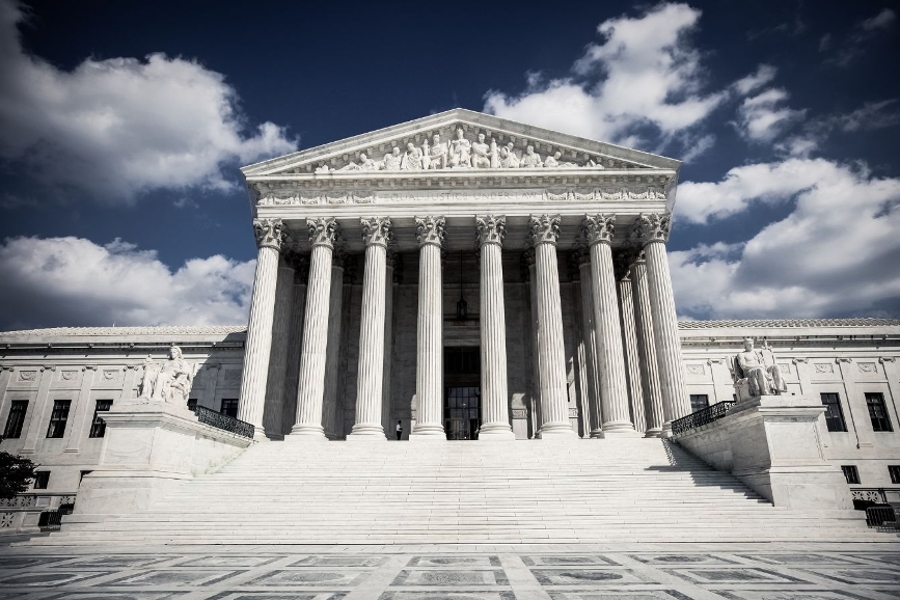
National News - The Supreme Court has refused to let the Postal Service enforce a new rule on election ballot mail. The order came down on September 14, 2026, in the case of United States Postal Service v. California.
The Postal Service had asked the Court for a stay. A stay would have let the agency start using the rule while the case moves through the courts.
The Court said no.
The Court found the government is not likely to win its case. It also found the other factors used to decide these emergency requests did not support a stay. The order was short, but two justices wrote separately to explain their views.
Here is some background on how the case got to the Supreme Court. About five months ago, the President gave the Postal Service a directive.
It told the agency to start writing a rule about mail-in ballots. Soon after, California and several other states sued over that directive.
In late August, the Postal Service finalized its rule. The rule requires ballot envelopes to carry an election-mail logo, be scannable by high-speed equipment, and include a barcode specific to each voter. States would also need to send basic voter information to a Postal Service portal.
A federal district court in Massachusetts blocked the rule from taking effect. The court first issued a temporary order, then turned it into a full injunction covering the whole country. The Postal Service asked the Supreme Court to pause that injunction while the appeal continues.
The Supreme Court declined.
Justice Kavanaugh agreed with the outcome but explained his reasoning separately. He wrote that the rule may fall within the Postal Service's authority under the law. However, he said applying it during the 2026 elections would not give state and local election officials enough time to put it in place.
Justice Alito dissented, joined by Justice Thomas. He argued the government had shown enough to earn a stay. He also argued that some of the groups suing lacked the legal standing to bring their claims in the first place.