
Two Historic Eastern Shore Farms Protected Forever
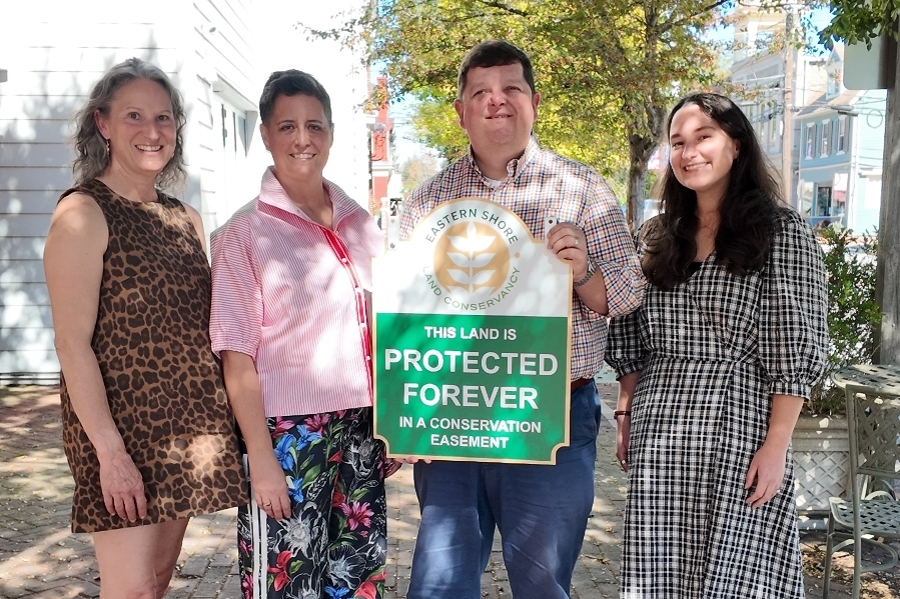
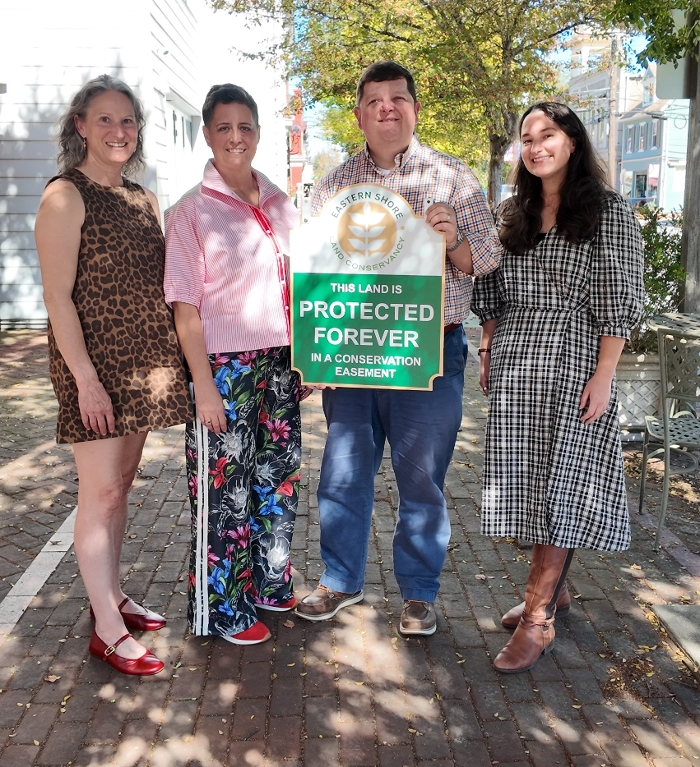
State of MD - Two farms with deep roots on the Eastern Shore will stay open land for good. Eastern Shore Land Conservancy (ESLC) announced on October 19, 2026, that it has placed permanent protections on a 28-acre farm in Kent County and a 217-acre grain farm in Caroline County.
Both projects were paid for through Maryland's Program Open Space. Apotheosis Farm in Kent County was protected through Program Open Space Stateside. The Cheezum family farm in Caroline County was conserved under the Eastern Shore Heartland Rural Legacy Area, which is part of Program Open Space.
ESLC has now protected more than 24,270 acres with help from this state program. "They protect not only an active grain farm, but one of the historic mill sites that originally bolstered the very grain economy still supporting the Eastern Shore today," said ESLC President and CEO Steve Kline. "We'd like to maintain that momentum. ESLC will continue to advocate for the protection of this funding as we approach the 450th Maryland General Assembly."
Heather and Deborah Mizeur own Apotheosis Farm. People have farmed, milled and lived on the land for more than 300 years. "We see ourselves as its current caretakers, not its last ones," Heather and Deborah said.
The farm's story goes back to 1711. That year, Samuel Perkins bought the land to start one of the first mills in Urieville. The small village once had a grist mill, a sawmill, a blacksmith, a wheelwright and the only brewery in the county.
The protection covers the Urieville Miller's House, which was built in 1715. It also covers the foundation and mill race of the old Urieville Mill, which sent grain to Washington's troops at Valley Forge.
That link to Washington gave the farm its name. Deborah said she and Heather walked under the fresco Apotheosis of Washington in the Capitol Rotunda nearly every day when they worked on Capitol Hill. "When we learned that our mill had supplied grain to Washington's troops, the name seemed obvious," Deborah said. "In plain terms, 'apotheosis' means becoming the best version of yourself. We wanted a farm where people and land could both thrive."
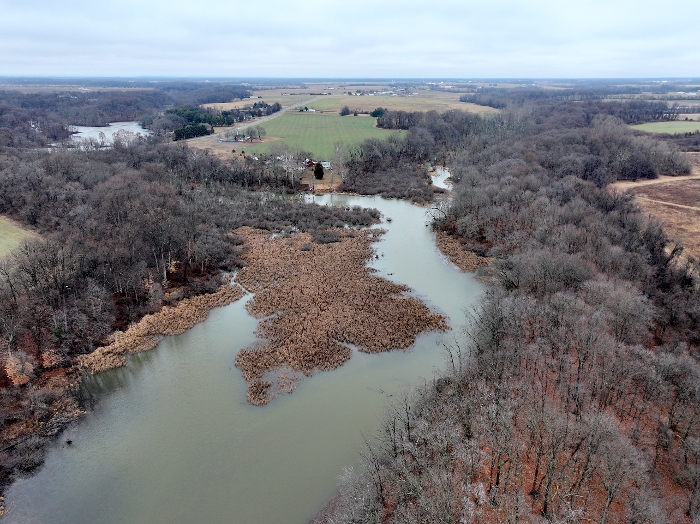
The farm sits along the Chesapeake Country Scenic Byway and has 1,650 feet of shoreline on Morgan Creek. Every stream on the property flows to the Chester River, and each one is protected by a 100-foot forested buffer.
The land also holds open grassland, more than four acres of tidal wetlands, a small herb farm and more than 19 acres of woods. Eagles, osprey, herons, turtles, beaver, deer, fox and wild turkeys are just some of the animals that live there. The woods also have a stand of healthy native ash trees, and ShoreRivers plans to plant 150 more trees on the farm at the end of October 2026.
A small part of the property will open more public fishing access to Urieville Lake. Anyone fishing there must follow the Maryland Department of Natural Resources' "Leave No Trace" policy, which means carrying out all trash and debris.
"Development pressure is steady, and once land is broken up, it doesn't come back," Heather Mizeur said. "Conservation is the most reliable tool we have to keep this place as it is."
The second property, Big Branch Farm, belongs to the Cheezum family in Caroline County. The family bought the land in the 1940s, but they have been farming in Preston since the 17th century.
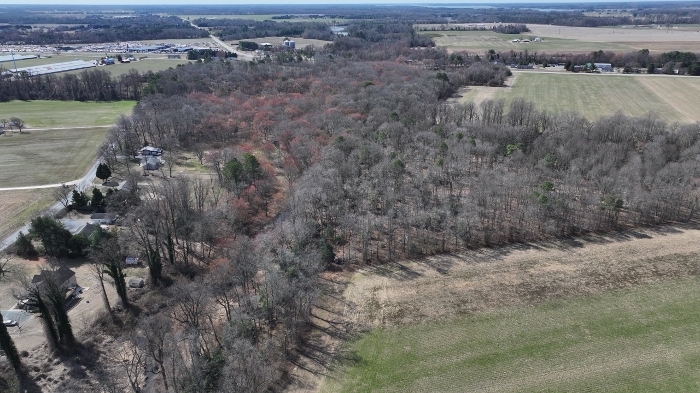
Two new easements, side by side, protect more than 175 acres of farmland, 37 acres of forest and 4,687 feet of scenic road frontage. More than 6,000 linear feet of Hunting Creek's stream channels now have 100-foot forested buffers on both sides. These buffers help keep the water clean in the Choptank River watershed and give shelter to migratory birds, otters, bats, terrapins and other wildlife.
Thomas Cheezum, the son of Thomas and Mary Cheezum, said watching land disappear is hard. "When I drive to the north end of Caroline County, it cuts very deeply to watch the solar panels go up more and more all the time," he said. "More land is being covered up. Eventually there's going to come a time when our land is going to be some of the last land that's arable."
Eric Cheezum still runs the farm business and is training the next generation of farmers. "Friday afternoon, that 22-year-old that works for me took a very large piece of equipment that he's learned how to drive and planted a field," he said. "He didn't need me there. That's why we're preserving this."
ESLC was founded in 1990. The group works to protect the farms, forests and rural communities of Maryland's Eastern Shore.
Photo Credit: ESLC