

Maryland's Annual Primitive Deer Hunt Set for February 2-4
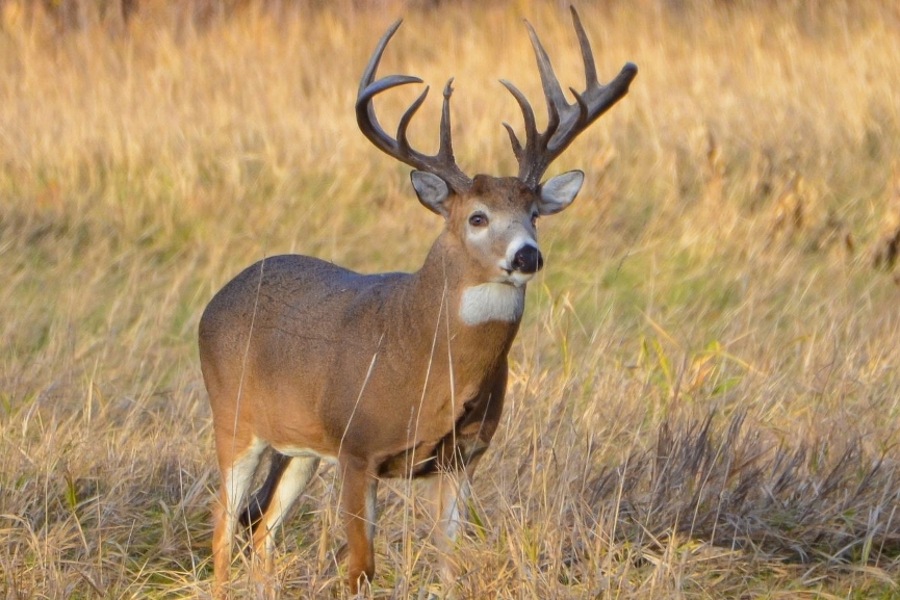
State of MD - Maryland's annual Primitive Deer Hunt will take place statewide from February 2 through February 4. This event allows hunters to pursue antlered and antlerless sika and white-tailed deer using traditional methods. The hunt marks the final opportunity of the 2025-2026 deer hunting season.
Qualifying hunters may use primitive bows, such as long bows and recurve bows, or muzzleloaders, including flintlock or sidelock percussion models. While fiber optic sights are permitted, the regulations prohibit the use of compound bows, crossbows, drawlocks, and telescopic or electronic aiming devices.
"The final opportunity of the 2025-2026 Maryland deer hunting season provides hunters a chance to pursue deer much like our ancestors did," Maryland Department of Natural Resources' Wildlife and Heritage Service Director Karina Stonesifer said. "The Primitive Deer Hunt challenges hunters to use traditional archery and muzzleloader equipment to harvest a deer during some of the coldest days Maryland has to offer."
Participants must hold a valid hunting license and the appropriate Archery or Muzzleloader Stamp, unless exempt. Those hunting sika deer require an additional sika hunting stamp.
Licenses and stamps can be purchased via the MD Outdoors licensing website, at licensing agents, or by calling DNR Licensing and Registration services at 866-344-8889. Hunters are advised to review the 2025-2026 Maryland Guide to Hunting and Trapping for full details.
Deer harvested during this period generally count toward the hunter's 2025-26 archery or muzzleloader bag limits. However, an exception exists in Region A, comprising Allegany County, Garrett County, and western Washington County. In this area, hunters may harvest one antlerless deer that does not count against their existing limits.
Safety regulations require all hunters and companions to wear daylight fluorescent orange or pink. Acceptable garments include a solid cap, a vest or jacket with at least 250 square inches of fluorescent color, or camouflage outerwear containing at least 50 percent fluorescent color.
The department also advises hunters to inspect tree stands carefully and use a full-body safety harness with a secured line while climbing.
The department encourages the donation of harvested deer. Hunters may be eligible for a state tax credit for donations and should contact their deer processors for information on available local or state programs.
_1754575213489_1.jpg)