
State Fire Marshal Urges Marylanders to Check Smoke Alarms
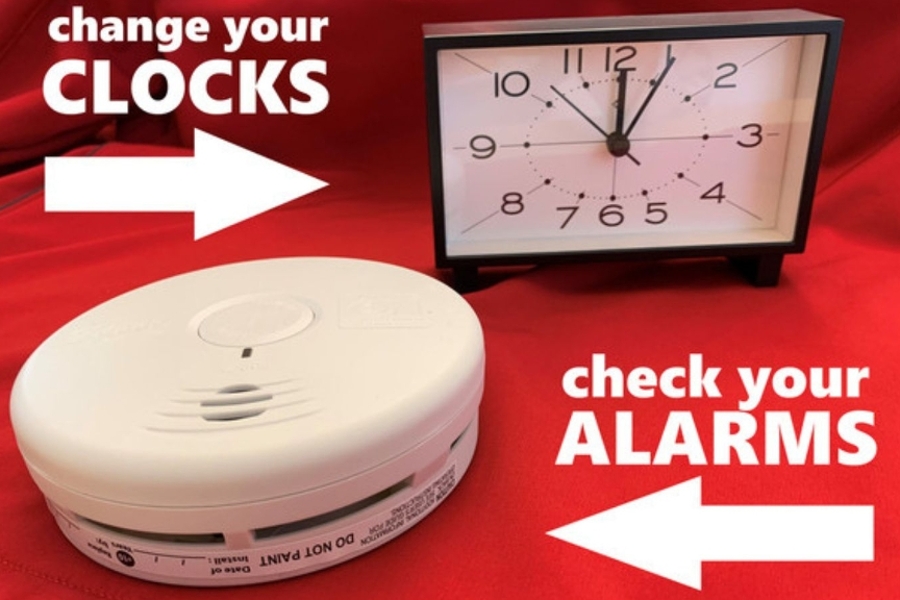
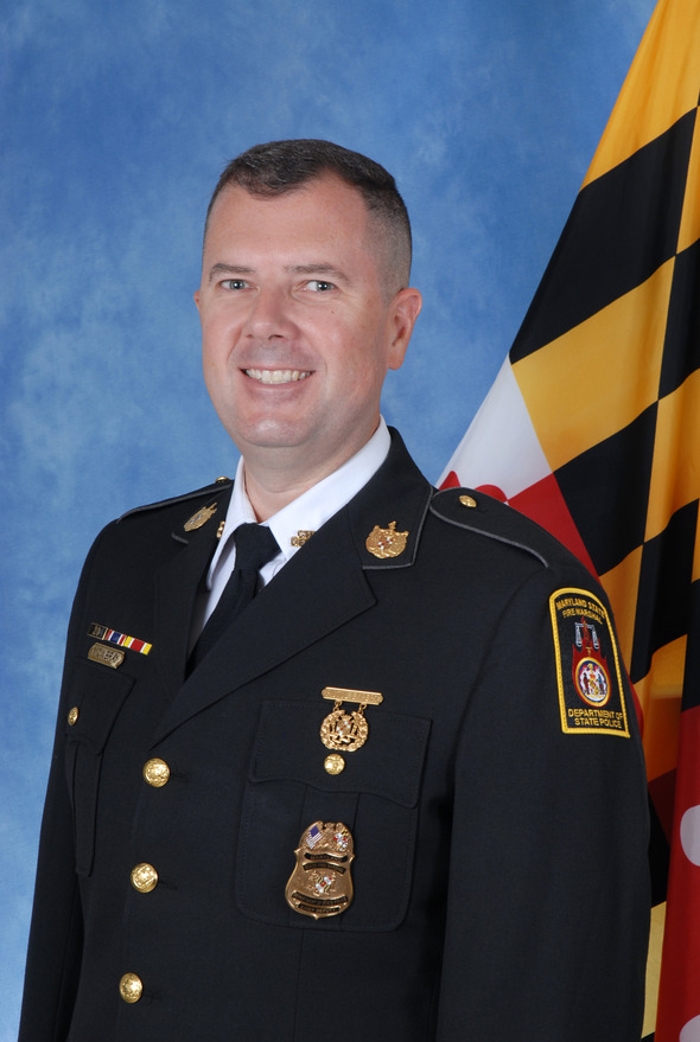
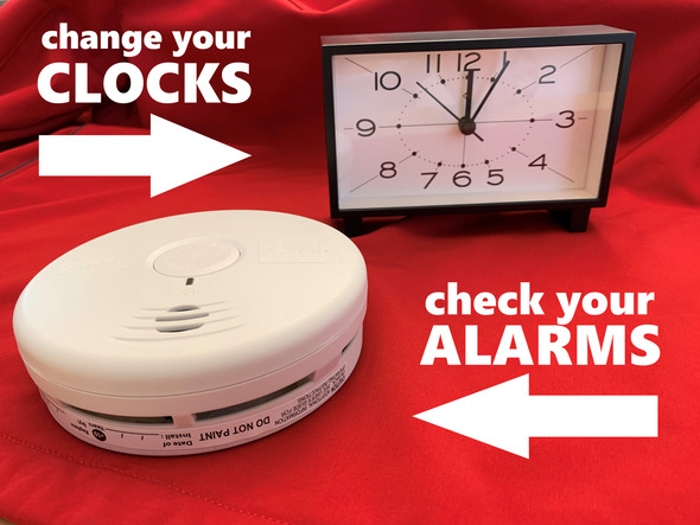
State of MD - As Marylanders prepare to set their clocks back at the end of Daylight Saving Time on Sunday, November 2, 2025, the Acting State Fire Marshal Jason Mowbray is reminding residents to take a simple, life-saving step. He encourages everyone to check their smoke alarms and carbon monoxide (CO) detectors when they change their clocks.
Mowbray emphasized the importance of these devices, noting that working alarms can double a family's chance of survival during a home fire or CO emergency. He suggests using the end of Daylight Saving Time as an opportunity to test alarms and replace batteries.
"Please take a few minutes to help ensure the safety of your family and friends by maintaining these life-saving devices," Mowbray stated.
In Maryland, a 2013 law requires all battery-only smoke alarms sold in the state to be 10-year sealed lithium battery models. Any alarms that use older 9-volt batteries should be replaced with these newer, long-life models, which are designed to be effective for up to 10 years.
Homes with 120-volt electric smoke alarms should also have the units replaced every 10 years with new models that include a battery backup. For maximum safety, smoke alarms should be installed in every bedroom, in hallways and common areas outside sleeping spaces, and on every level of a home.
To assist residents, the Office of the State Fire Marshal runs the Get Alarmed Maryland program, which allows residents to request smoke alarms directly through a public portal. Since relaunching in May 2025, the program has installed nearly 350 smoke alarms and 63 carbon monoxide detectors statewide.
A new data-tracking system supports this initiative by helping to target future fire prevention campaigns and identify areas with the greatest need. In addition to maintaining smoke alarms, Mowbray highlighted the importance of having and practicing a home escape plan. Families should identify at least two ways out of every room and practice the plan together.
"Testing your smoke alarms and CO detectors, replacing outdated equipment, and practicing a home escape plan are among the best ways to protect your loved ones and yourself," said Mowbray.
He also provided another key safety tip: sleep with bedroom doors closed. A closed door can block smoke, heat, and toxic gases, providing more time for escape or rescue. If you escape from a fire, closing doors behind you can help slow the spread of flames.
"Taking just a few minutes this weekend to check your smoke and CO alarms could be the difference between life and death," Mowbray added. "These simple steps save lives every single year in Maryland."