

Stranger in Your Home: How Maryland Law Can Leave Property Owners Powerless Against Squatters
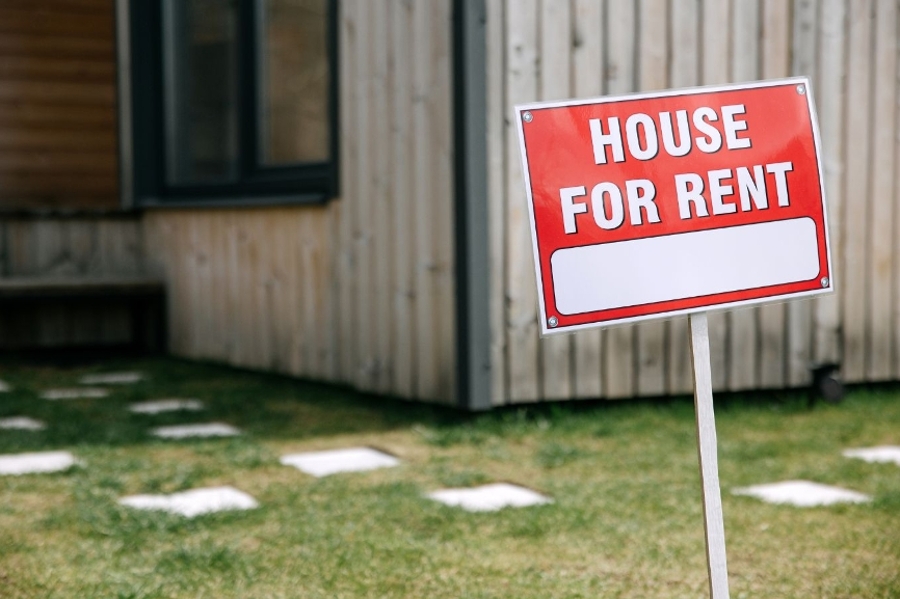
State of MD - Imagine coming home - or arriving at an investment property you've been renovating for months - only to find the locks changed, strangers inside, and your property being used by someone who has no right.
For a growing number of Maryland property owners, this isn't a nightmare..... It's just another day in the State of Maryland.
Squatting is surging across the country, and Maryland is no exception. With a legal framework that can take months or in some cases years to resolve, unauthorized occupancies, property owners are increasingly finding themselves in a frustrating, costly, and emotionally draining battle to reclaim what's rightfully theirs.
But here's what makes Maryland's situation especially maddening: the law, in many ways, offers squatters more procedural protections than it does homeowners.
What Exactly IS a Squatter - And Why Can't You Just Call the Cops?
This is the question everyone asks first and the answer will surprise you.
In Maryland, not all unauthorized occupants are treated equally under the law. There's a critical legal distinction between a burglar, a trespasser, and a squatter and that distinction matters enormously when it comes to how quickly (or slowly) you can remove them.
KNOW THE DIFFERENCE
- BURGLAR: Enters a property to commit a crime. This is a criminal matter - police can arrest and remove them immediately. TRESPASSER: Enters without permission, typically temporarily. Police can intervene and remove them.
- SQUATTER: Occupies a property long-term without permission or a valid lease. Maryland courts treat this primarily as a CIVIL matter - meaning police will often NOT intervene, and you must go through the court system to remove them.
- HOLDOVER TENANT: A former legal tenant who refuses to leave after a lease ends. Must be formally evicted through the courts, the same as a squatter.
The moment a squatter occupies your property and produces even a fake or dubious lease document, police are often reluctant to classify the situation as a criminal matter. It becomes a civil dispute and that means lawyers, court filings, hearing dates, and months of waiting while someone lives in your home rent-free.
"I have the deed showing that the bank owns the property, but they have a fake lease and they get to stay in the property. They're not asked to leave."
That's the real-world experience of one Maryland real estate agent who spent six months battling to reclaim a property only to find $60,000 in damage when the squatters finally left.
The Numbers Don't Lie: Squatting Is Skyrocketing
This isn't a fringe issue or a collection of isolated incidents. Squatting is becoming an organized, widespread problem and the data backs it up.
According to data cited by property management firm Showdigs and drawing on research from the Urban Institute, reported squatting cases rose 22% in 2024.
The average eviction timeline from the moment you discover a squatter to the moment a sheriff physically removes them now stretches between 3 and 6 months. Legal fees and lost rental income can cost property owners anywhere from $8,000 to $15,000.
In Maryland specifically, the problem has taken on a particularly troubling dimension: an organized underground network of squatter placement.
Investigative reporters from Spotlight on Maryland found Instagram accounts openly advertising 'squatter homes' in the Baltimore area - charging placement fees and even rigging the electrical systems of occupied properties so squatters had access to electricity.
The $2.3 Million Bethesda Case That Shocked the State
If any single case has crystallized public outrage over Maryland's squatter laws, it's this one.
In the summer of 2025, a foreclosed, bank-owned, 7,500-square-foot mansion on Burning Tree Lane in Bethesda valued at $2.3 million was illegally occupied by Tamieka Goode and Corey Pollard. Nineteen-year-old neighbor Ian Chen first noticed signs of forced entry and called police. The officers knocked, got no answer, and left.
What followed was nearly nine months of legal wrangling, missed court dates, and procedural delays. Chen took the extraordinary step of filing private criminal charges for trespassing and burglary.
Goode was eventually convicted and sentenced to 90 days in jail but posted a $5,000 appeal bond and returned to the property within hours of her release.
Neighbors, many of them elderly, were terrified. "I was pretty scared," Chen told reporters. "All of us in our neighborhood were. We have a lot of elderly folks who were afraid to even go to sleep at night."
The Montgomery County Sheriff's Office finally evicted the occupants in February 2026 but not before the damage was done. The house now sits sealed behind metal panels on every ground-floor door and window.
Chen, now a government student at the College of William & Mary, took his fight to the Maryland General Assembly in Annapolis, testifying before the House Judiciary Committee and pushing for new felony penalties for those who use fraudulent leases to facilitate squatting.
So What ARE Maryland's Squatter Laws - And Why Are They So Complicated?
Here's where it gets legally nuanced but vitally important for every property owner to understand.
Maryland recognizes a legal principle called adverse possession, which dates to British common law. The concept was originally designed to encourage productive use of land and penalize absentee owners who neglected their property. Under adverse possession, a person who occupies land they don't own can, after a long enough period, potentially claim legal ownership.
In Maryland, a squatter would need to occupy a property continuously for 20 years meeting five strict criteria to make an adverse possession claim. So the long-term ownership risk is real, but it's a slow-burn threat. The immediate problem is the eviction process itself.
THE 5 CRITERIA FOR ADVERSE POSSESSION IN MARYLAND
To claim ownership of a property through adverse possession, a squatter must prove ALL of the following for a continuous 20-year period:
- HOSTILE - Occupation without the owner's permission
- ACTUAL - Physically using and living on the property
- OPEN & NOTORIOUS - Occupation visible to neighbors and the public
- EXCLUSIVE - Only the squatter is using the property, not shared
- CONTINUOUS - Uninterrupted occupation for the full period
Note: Maryland does NOT require squatters to pay property taxes or hold a deed to make a claim - though both may strengthen their case.
Even without an adverse possession claim, removing a squatter under Maryland law requires property owners to: serve written notice, file a Wrongful Detainer action in District Court, attend a court hearing, obtain an Order of Restitution, and then wait for the Sheriff to schedule and execute the physical eviction.
Until recently, that entire process could take well over two years.
Under current Maryland law, disputes about occupancy default to civil proceedings unless there is clear evidence of a criminal break-in. This gap - critics argue - is exactly what bad actors exploit. Produce a fake lease, and suddenly your illegal occupation looks like a civil landlord-tenant dispute.
Is Maryland Finally Fighting Back?
The good news? Maryland legislators have heard the outcry - and things are beginning to change.
In 2025, a bill championed by State Senator Ron Watson (D-Prince George's County) passed unanimously in both the House and Senate and was signed by Governor Wes Moore. The new law - which took effect in October 2025 - requires that squatters be served with eviction paperwork within four business days of a complaint being filed, and that courts must hold a hearing within 14 days. That's a dramatic improvement over a process that previously could drag on for months.
Additional legislation introduced in the 2026 session would go further, targeting individuals who use fraudulent leases to facilitate squatting with felony-level criminal penalties.
President Donald Trump also weighed in, signing an executive order directing the federal government to prioritize grant funding for states and municipalities that enforce prohibitions on what he called "urban squatting."
Still, tenant advocates urge caution. They argue that fast-tracking evictions could harm low-income renters who are themselves victims of rental scams - people who paid legitimate money for a lease, not knowing the person who rented to them had no legal authority to do so. It's a real concern, and one that makes simple legislative fixes harder to craft.
What Can You Do RIGHT NOW to Protect Your Property?
Whether you own your primary home, a rental property, or a vacant lot, here are the most important steps you can take today:
- Inspect your property regularly - especially if it's vacant or in the process of being renovated. Squatters target properties they believe are unwatched.
- Secure access points - change locks between tenants, install security cameras, and post no-trespassing signs.
- Build relationships with neighbors - they are your eyes and ears. Ask them to alert you to any unusual activity.
- Act immediately if you discover a squatter - do NOT wait. The longer an occupant remains, the harder they are to remove. File a Wrongful Detainer action right away.
- Never attempt a self-help eviction - under Maryland law, you cannot physically remove someone yourself, change their locks, or shut off utilities. Doing so can expose you to civil liability.
- Consult an attorney - squatter situations can escalate quickly and become legally complex. An attorney familiar with Maryland property law can help you move through the system as fast as possible. Attorneys can be found in the Eastern Shore Undercover Business Directory, who can help you with your process.
The Bottom Line
Maryland's squatter problem is real, it's growing, and it's costing property owners their time, their money, and their peace of mind. The legal framework designed with due process in mind has been weaponized by a network of bad actors who know exactly how to exploit it.
The 2025 reforms are a step in the right direction. But as the Bethesda case shows, even a convicted squatter can walk out of jail and walk right back into someone else's home.
Until the law fully closes those gaps, the best defense is a vigilant offense.
Note: This article is for informational purposes only and does not constitute legal advice. Consult a licensed Maryland attorney for guidance specific to your situation.
2.jpg)