

Bird Flu Found at Worcester County Chicken Farm
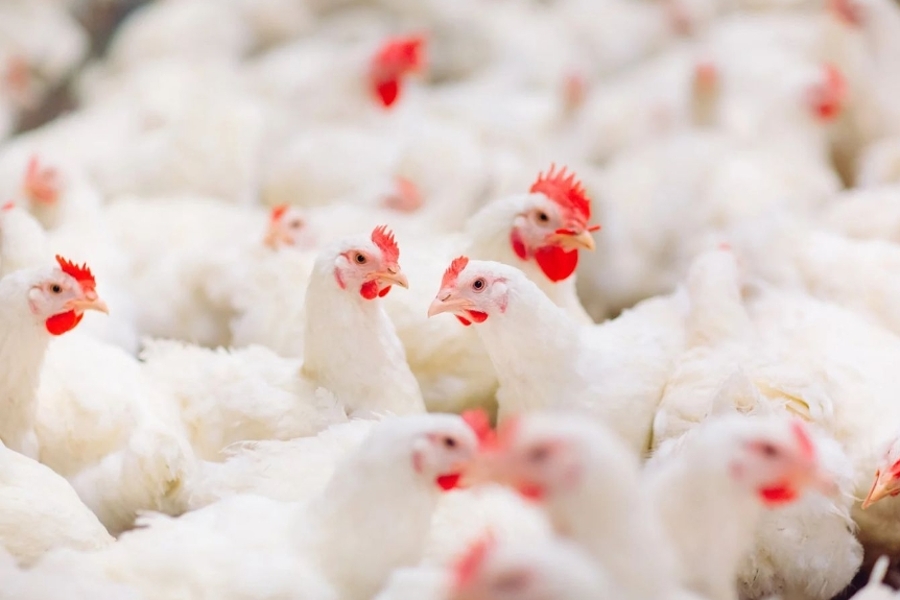
Worcester County, MD - State lab tests have found a case of highly pathogenic H5N1 avian influenza (HPAI) at a commercial broiler farm in Worcester County.
Early results came back positive after routine surveillance. The U.S. Department of Agriculture's National Veterinary Services Laboratories (NVSL) is now running its own tests to confirm the virus. Final results are expected in the coming days.
State officials have put the farm under quarantine. The flock is being depopulated to keep the disease from spreading, and none of those birds will end up in the food supply chain.
"Poultry meat and egg products remain safe to consume, but avian influenza continues to pose a serious threat to animal health," said Maryland Department of Agriculture Secretary Kevin Atticks. "It is critical that all commercial growers and backyard flock owners maintain strict biosecurity protocols and report any signs of illness immediately. Our department, along with our state and federal partners, is monitoring the situation closely to protect Maryland's agricultural community."
The Maryland Department of Health says the risk to the general public is low.
Avian influenza is a respiratory virus that spreads fast among birds through nasal secretions, saliva and manure. It can move between flocks through wild birds, sick poultry, or dirty equipment, clothing and shoes. Chickens, ducks and turkeys can catch it, along with wild birds like geese, shorebirds and raptors.
The Maryland Department of Agriculture (MDA) is asking all bird owners to tighten up their biosecurity, starting with learning the warning signs of illness and checking birds often.
If you think your birds may have HPAI, call MDA at 410-841-5810. Commercial chicken growers and backyard flock owners can also email questions about the outbreak to MD.Birdflu@maryland.gov.
Stay out of spots where waterfowl or other wildlife may have left droppings, on foot or in a truck, tractor or other equipment. If you can't avoid them, clean your shoes, vehicle and equipment well before going back to your flock. That goes for everyday stops too, like a coffee shop, restaurant or gas station where farmers and hunters of wild fowl get together.
Clean up spilled or leftover feed right away so wild birds, rodents and insects don't get a free meal, and keep feed storage sealed with no holes. Only the people who care for your poultry should be around them, and that includes family and friends.
Wash your hands with soap and water before and after you touch live poultry. If you use hand sanitizer, get manure and feathers off first, because disinfectants can't get through caked-on dirt.
Disposable boot covers are the best choice for anyone around your flock, and disinfectant footbaths can also help. If you use a footbath, scrub mud and droppings off boots with a long-handled brush first, and keep it clean.
Change clothes before going into poultry areas and again before leaving the property. Visitors who handle birds should wear disposable coveralls or other protective outer clothing, boots and headgear, then shower or change when they leave.
Tools, vehicles, equipment, egg flats and cases that have touched birds or droppings should be cleaned and disinfected before they leave the property. Anything that can't be cleaned, like cardboard egg flats, should not be moved or reused.