

Bird Flu Found in Ducks at Delaware's Little Creek
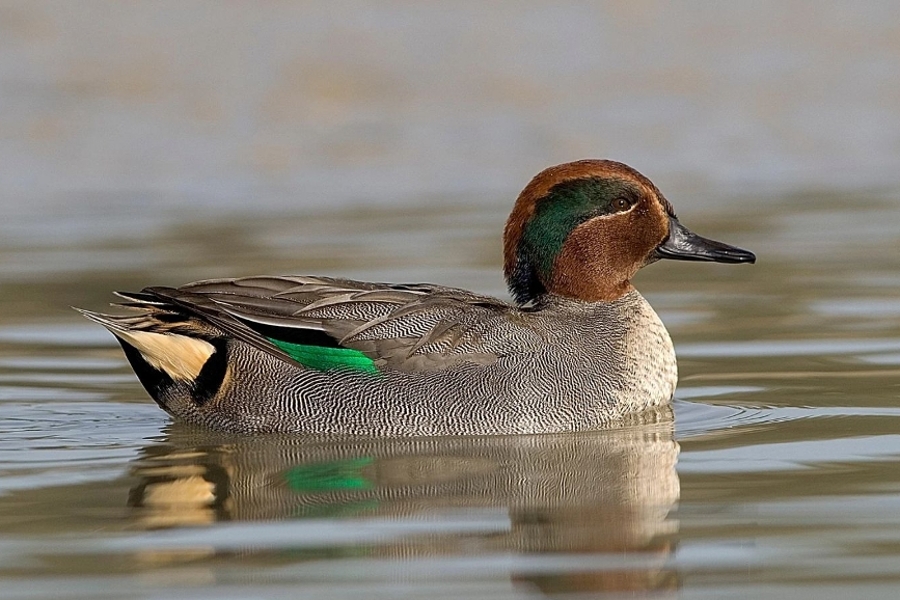
State of DE - Bird flu has turned up in wild ducks in Delaware for the first time this fall. The Delaware Department of Natural Resources and Environmental Control (DNREC) is asking hunters and the public to keep an eye out for sick or dead wild birds.
The cases came from ducks taken by hunters at the Little Creek Wildlife Area in eastern Kent County. They were found during the first part of Delaware's 2026-27 duck season, which ran from October 31, 2026, to November 7, 2026.
The U.S. Department of Agriculture's Animal and Plant Health Inspection Service (USDA-APHIS) collected samples as part of its regular bird flu testing for DNREC's Division of Fish and Wildlife. Tests done at the Pennsylvania Veterinary Laboratory came back as presumptive positive for H5 avian influenza, also known as highly pathogenic avian influenza (HPAI).
Seven ducks from three species tested positive. They were green-winged teal, American black duck and northern shoveler.
That's a bit different from what Delaware usually sees. Bird flu has become common in the Mid-Atlantic, but it mostly hits the big flocks of snow geese that fly down from the Arctic and spend the winter here.
The next part of Delaware's waterfowl season opens on November 25, 2026. If you see groups of sick or dead birds, including ducks, geese, shorebirds, raptors or other wild birds, DNREC asks you to report them using the Division of Fish and Wildlife's sick and dead wildlife reporting form.
Not every report will get a visit from DNREC or USDA-APHIS Wildlife Services. Someone will review each one and may reach out if they need more information, and the reports help biologists track how the virus is affecting wild birds across the state.
If you find a dead wild bird on your property and want to get rid of it yourself, wear gloves, a mask and safety glasses. Put the bird in two bags, close it with a zip tie and place it in your trash bin so it ends up at a Delaware Solid Waste Authority landfill.
Throw away your gloves and other gear in the same kind of trash bags when you're done. Then wash your hands.
Bird flu spreads easily through the air and through birds' eye and nose fluids and droppings. It can move from flock to flock, in both wild birds and poultry, through infected birds, equipment and even the clothes and shoes of people who care for chickens.
That's why DNREC says hunters who also raise poultry should be extra careful. Delaware's poultry industry could be affected if the virus spreads.
The U.S. Centers for Disease Control and Prevention (CDC) says the risk to the public is low. Human cases of H5 have gone up in the U.S. over the last several years, though, mostly among farm and dairy workers who work closely with animals.
Hunters are asked to leave alone any wild bird that looks sick or is already dead. While cleaning game, don't eat, drink or smoke, and wear rubber gloves, which you should also do when cleaning bird feeders at home.
Wash your hands with soap and water right after handling game or bird feeders, and wash your tools and work surfaces too. Keep raw game in its own container, away from cooked or ready-to-eat food.
Cook game all the way through. Poultry should reach an inside temperature of 165 °F to kill germs and parasites.