

Fake Squishy Toys Pose Danger to Kids, CPSC Warns
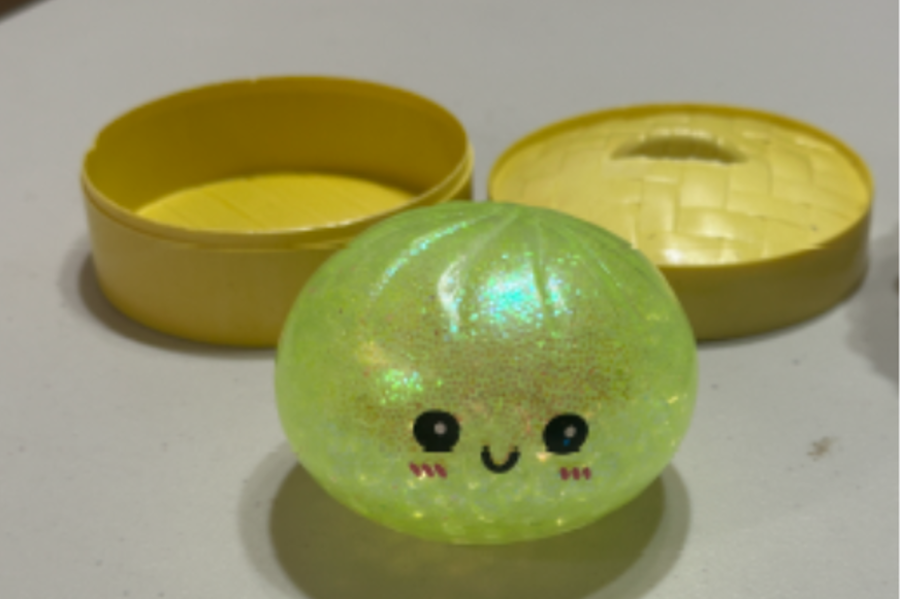
National News - The U.S. Consumer Product Safety Commission is warning families about fake and counterfeit squishy toys. These toys can put children at serious risk.
Squishy toys shaped like animals, food, and characters are sold online, on social media, and in stores. According to CPSC, many fake versions do not meet federal safety rules for children's toys.
The agency is also repeating an earlier warning about a social media trend. Some videos show kids microwaving squishy toys to watch them expand or change texture. CPSC says this should never be tried at home.
Many squishy toys contain water beads, gel, powder, or sand inside. If the outer shell tears, kids can be exposed to what is inside. Swallowed water beads can expand and cause choking or blockages, and they are also dangerous if placed in the nose or ear.
Fake toys can also break apart easily and release small parts. According to CPSC, some contain high levels of lead or other harmful chemicals. Many are missing warning labels, age guidance, or manufacturer information altogether.
CPSC says it has found 55 shipments of these toys at U.S. ports so far. Working with Customs and Border Protection, the agency stopped more than 355,000 units from entering the country.
The Commission has also sent violation notices to companies tied to these products.
Squishy toys can get very hot if left in a hot car, in direct sun, or near a heater. If they burst from heat, the material inside can cause burns. That material can stick to skin and keep burning even after contact.
Parents are encouraged to buy toys only from trusted sellers and to check packaging for spelling errors or missing safety information. A price that seems too low compared to other retailers can be a warning sign. Any toy that is torn, sticky, leaking, or starting to fall apart should be thrown away and kept from children.
If a child is burned by a squishy toy, CPSC recommends running cool water over the skin for at least 20 minutes. Ice should not be used. After cleaning the area, cover it with a sterile, nonstick bandage, and seek medical care for serious burns or burns involving young children.
Photo Courtesy of The U.S. Consumer Product Safety Commission