
MSP Warns Drone Pilots After Rescue Chopper Close Calls
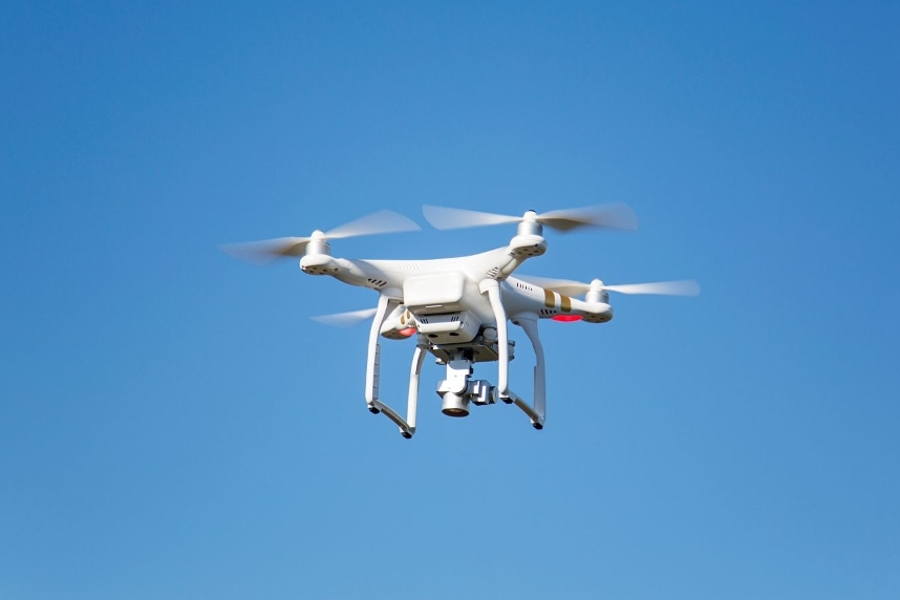
State of MD - The Maryland Department of State Police is asking drone pilots to follow the rules after a string of close calls with police helicopters. State troopers say drones have gotten dangerously close to medevac flights in recent weeks.
On August 15, a drone was spotted near the helipad at the R Adams Cowley Shock Trauma Center in Baltimore. Troopers were at M&T Bank Stadium for a sporting event when the drone showed up in restricted airspace.
A State Police helicopter called Trooper 1 was leaving Shock Trauma on a medevac run at the same time. The drone began dropping in altitude in the same area as the helicopter.
Troopers found the drone operator and confirmed the person did not have a license to fly it. The drone was also flying inside a Temporary Flight Restriction that was in place for the game.
Helicopter pilots can have a hard time spotting a drone in time to avoid it, especially after dark. Drone operators are responsible for watching out for helicopters and other aircraft and staying clear of them.
Drone pilots also have to yield to all other aircraft. They cannot fly over, under, or in front of another aircraft unless they are a safe distance away.
A second incident happened on August 31 during a fatal crash on I-70 in Howard County. Troopers were on scene with two medevac helicopters, Trooper 1 and Trooper 3, along with the Shock Trauma GO Team.
A trooper on the ground saw a drone flying over both helicopters during the response. That drone operator was never identified.
Maryland allows both manned and unmanned aircraft to fly, but drone pilots have to check for Temporary Flight Restrictions before taking off.
Home games for the Ravens, Commanders, and Orioles all come with restrictions that ban drones nearby.
Pilots can check airspace rules ahead of time through FAA-approved Before You Fly apps. These apps show where restrictions are in place before a drone ever leaves the ground.
Anyone flying a drone for fun is required to pass the Recreational UAS Safety Test first. The test covers basic safety and regulatory information that every operator needs to know before flying.