

New Bay Bridge Spans Get Final Environmental Approval
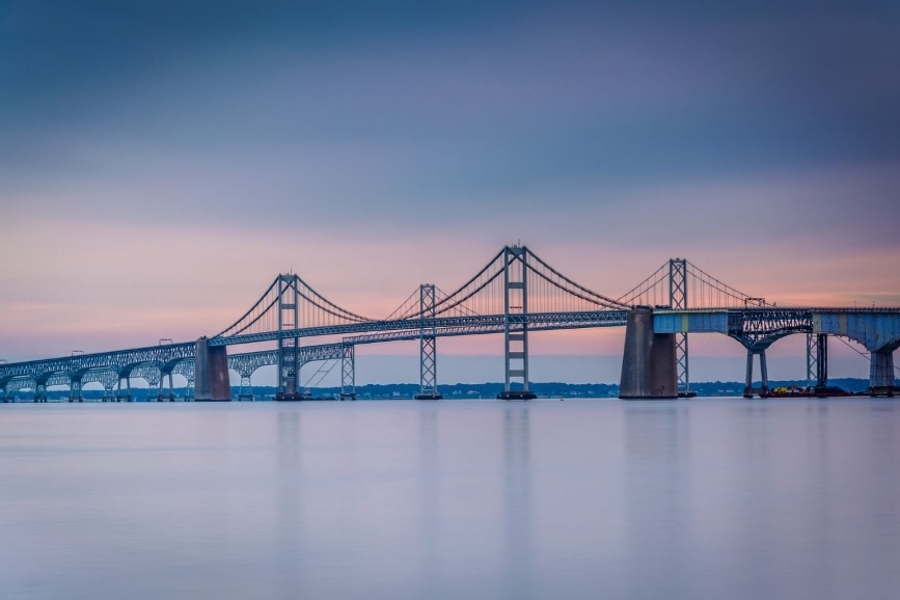
State of MD - On November 5, 2026, the Maryland Transportation Authority (MDTA) announced final environmental approval for the Chesapeake Bay Crossing Study. That clears the way for two new Bay Bridge spans.
The MDTA says the new crossing will add $23 billion to the local economy and create more than 60,000 jobs.
Design work is expected to start in 2028. If things stay on track, construction could begin as soon as 2032.
The Federal Highway Administration chose an option called Alternative C as the Selected Alternative. It calls for two new four-lane spans with full shoulders across the Chesapeake Bay. The study found it was the most cost-effective choice with the least impact on the environment.
The two spans drivers use today would be torn down. If you've crossed them, you know the lanes are narrow and there are no shoulders. Removing them also ends the need for major repair projects and the lane closures and delays that come with them.
Ships get more room too. The new spans will have 230 feet of clearance to meet U.S. Coast Guard requirements, the same as the new Francis Scott Key Bridge, so larger ships can reach the Port of Baltimore.
US 50/301 would also be widened to eight lanes, four in each direction, from west of Oceanic Drive to east of Cox Creek so traffic can flow onto the new spans.
The plan includes a proposed one-time investment of up to $40 million for transit-related improvements. There's a commitment to preserve land on the Eastern Shore as well.
A path for bikes and people on foot is possible, but not a sure thing. The MDTA will do a financial study later to see if a shared-use path can work.
"Completion of the monumental Bay Crossing Study delivers a roadmap to the future and gives Maryland a critical approval for the next step of this project," said Maryland Department of Transportation (MDOT) Secretary and MDTA Chair Katie Thomson. "The approved crossing aligns with MDOT's goals of enhancing safety, reliability and accessibility for Marylanders while delivering economic value for nearby communities and the entire state."
The study went through the federal National Environmental Policy Act (NEPA) process. During the Tier 2 part, the MDTA held open houses and public hearings, went to over 120 community events and received over 5,600 comments and survey responses.
"I want to thank the Bay Crossing Study team and Federal Highway Administration for their years of hard work and dedication in delivering this study and advancing innovative solutions that better connect all Marylanders to opportunities and each other," said MDTA Executive Director Bruce Gartner. "The public-input process was deeply valuable to the success of this study, and our team engaged with thousands of residents, community members, drivers and elected officials on both sides of the bay to ensure a collaborative approach for all stakeholders."
The Final Environmental Impact Statement and Record of Decision, approved by the Federal Highway Administration, were published together this week. That wraps up the study.
